Savile Row Furniture Waste Disposal for Mayfair Tailors
Posted on 08/05/2026
Tailoring houses in and around Savile Row work differently from most businesses. The fittings are precise, the interiors are carefully chosen, and the pace can be surprisingly brisk behind that polished front door. So when it comes to Savile Row Furniture Waste Disposal for Mayfair Tailors, you need more than a van and a pair of gloves. You need a discreet, organised, and dependable way to clear unwanted furniture without disrupting clients, staff, or the character of the premises.
Whether you are replacing worn display cabinets, removing old cutting tables, clearing a back office, or refreshing a reception area, furniture disposal in Mayfair needs to feel controlled. Not rushed. Not noisy. And certainly not like a random skip left outside on a busy street. This guide breaks down how the process works, what to watch out for, and how to choose a disposal approach that fits the standard expected by Savile Row tailoring businesses.
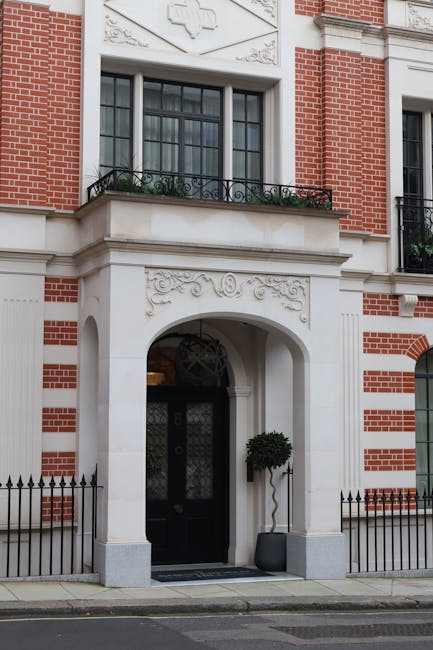
Why Savile Row Furniture Waste Disposal for Mayfair Tailors Matters
On Savile Row, furniture is not just furniture. A console table in a fitting room, a heritage-style chair in a client lounge, or a heavy oak workbench in the back room all help create the right atmosphere. When those pieces become damaged, outdated, or simply no longer fit the layout, they need to go without upsetting the flow of the business.
That matters for a few reasons. First, client experience. Mayfair tailoring often relies on calm, polished surroundings. A cluttered hallway or a half-dismantled office is rarely a good look. Second, practicality. Some tailoring premises have tight stairs, narrow entrances, and valuable fixtures nearby. Moving bulky waste through them takes care. Third, reputation. In an area like this, even the way waste is handled can reflect on the business.
There is also a sustainability angle. Tailors tend to know the value of materials, workmanship, and making things last. So disposal should not automatically mean landfill. In many cases, wooden furniture, metal shelving, and office pieces can be sorted for reuse, recycling, or responsible processing. That is where a proper service, rather than a hurried clear-out, makes all the difference.
If you want a broader look at service planning in the area, our services overview gives a useful sense of how different clearance needs fit together. And if your project overlaps with office refreshes or workspace changes, the guidance on office clearance in Mayfair may also be worth a look.
How Savile Row Furniture Waste Disposal for Mayfair Tailors Works
The process is usually simpler than people expect, but in a premium location, the details matter. A well-run furniture disposal job normally follows a clear sequence: assess, plan, remove, sort, and confirm disposal or recycling routes. Nothing glamorous. Just the right order.
For a tailoring business, the first step is usually identifying what needs to go. That might include armchairs, fitting benches, shelving, drawer units, reception furniture, broken filing cabinets, or a reception desk that no longer suits the space. It can also include items tucked away in basements or storage rooms, which, let's face it, tend to accumulate odd bits over time.
Once the items are listed, a collection provider can estimate access, labour, and vehicle requirements. In Mayfair and nearby streets, access can be the tricky bit. Loading bays are limited. Lift access can be tight. Time windows may matter. The better the plan, the smoother the result.
After that comes the physical removal. Good operators protect walls, floors, and doorways, especially where furniture has to pass through client areas. Then they separate reusable items from recyclable waste and general disposal streams. Responsible handling should always be part of the process, not an afterthought.
For tailors who regularly refresh interiors, it can help to combine furniture disposal with other waste removal. If you are changing out shopfront storage or clearing part of a workroom during a refit, a related service such as furniture disposal in Mayfair can be a practical match. For heavier strip-out work, you may also find builders waste disposal in Mayfair useful alongside the main furniture clearance.
Key Benefits and Practical Advantages
Good furniture waste disposal is not just about making space. It can improve how the whole business feels and functions. In a tailoring house, that matters more than most people think.
- Cleaner client experience: Fresh, uncluttered spaces feel more professional and more welcoming.
- Better use of floor area: Removing old furniture can free up fitting space, storage, or a more efficient back-office layout.
- Reduced disruption: A planned disposal avoids ad hoc lifting, awkward trips, and staff time lost to moving heavy items.
- More responsible waste handling: Proper sorting can support recycling and reuse, which is both practical and, frankly, the decent thing to do.
- Improved safety: Old chairs, cracked shelving, unstable desks, and splintering timber can all create hazards if left in place too long.
- Discretion: In a high-profile part of London, a tidy, low-profile collection process is often exactly what businesses want.
There is also a softer benefit. A well-kept environment can affect mood. Staff notice it. Clients do too, even if only subconsciously. A clean, ordered workroom has a different energy from one packed with tired furniture and things nobody wants to own up to. You know the feeling.
For businesses thinking more broadly about presentation and premises, the local context matters. Articles like this piece on Mayfair's character and this guide to considering Mayfair for your next home show just how much the area's setting influences expectations. Commercial premises are no different.
Who This Is For and When It Makes Sense
This type of service is a good fit for a wide range of tailoring and garment businesses. Not every disposal job looks the same, which is why matching the service to the setting matters so much.
You may need it if you are:
- refreshing a Savile Row showroom or client-facing tailoring room
- replacing old seating, cabinets, or display furniture
- clearing a back office, archive area, or storage room
- preparing for a fit-out, rebrand, or refit
- moving out of a unit and need premises left in good order
- combining furniture disposal with a wider clearance project
It also makes sense when furniture is technically still usable, but no longer right for the space. That is a common situation in tailoring. A piece may be structurally fine, yet visually off-brand. Too bulky. Too tired-looking. Or it simply gets in the way of the client journey.
A small note here: many businesses wait too long. They put disposal off because the items are "still okay for now." Then one day the back room is full, the reception looks crowded, and the job becomes harder than it needed to be. Not a crisis, just one of those annoying little build-ups that happens quietly.
Step-by-Step Guidance
If you want furniture disposal to go smoothly, a structured approach is best. Here is a practical way to handle it without overcomplicating things.
- Walk the space properly. Check all rooms, storage areas, mezzanines, and basements. The forgotten chair in the corner is often the one that causes the delay.
- List every item clearly. Note size, weight, condition, and whether anything is fragile or fixed in place.
- Check access routes. Measure lifts, stair widths, door frames, and parking or loading access. In Mayfair, access planning saves headaches.
- Separate what can be reused. Some items may be suitable for donation, resale, or internal reuse if they are in good condition.
- Decide what needs specialist handling. Large cabinetry, heavy marble-topped furniture, or integrated office fixtures may need extra care.
- Choose a removal time that suits the business. Early morning or quieter trading periods are often easiest for client-facing premises.
- Confirm disposal and recycling routes. Ask what happens to each category of waste, not just where it is taken.
- Keep a record of the collection. For commercial premises, this can help with internal reporting and general waste traceability.
One practical tip: if the items are spread across several floors, group them by location before collection day. It sounds basic, but it cuts down on back-and-forth and keeps the job tidy. Small detail, big difference.
If the work involves more than furniture alone, you may want to look at our Mayfair waste collection service as a broader option. And for businesses where sustainability is part of the brand story, our recycling and sustainability approach is worth reviewing.
Expert Tips for Better Results
Here is where a bit of experience really helps. Good disposal is not just about getting furniture out the door. It is about making the whole thing feel effortless on the day.
- Book before the pressure peaks. If you are planning a new fit-out or seasonal refresh, arrange disposal early so you are not racing the decorator, the delivery team, and your own diary all at once.
- Photograph items in advance. A quick set of images helps with quoting and avoids misunderstandings about size or access.
- Protect high-value interiors. In a Savile Row setting, the surrounding environment can be worth more than the items being removed. Covers and corner protection matter.
- Ask about disassembly. Some furniture looks manageable until you try to move it through a narrow stairwell. Very British problem, that.
- Think about client-facing timing. Collections during quiet windows reduce noise and visual disruption. In practice, that often means choosing carefully, not just choosing quickly.
- Prioritise traceability. Businesses often prefer suppliers who can explain how waste is handled in plain English.
Expert summary: The best furniture disposal service for a Mayfair tailor is the one that respects the premises, protects the brand image, and handles waste responsibly without creating extra work for the team.
That really is the heart of it. Simple on paper, slightly fiddly in real life.

Common Mistakes to Avoid
Furniture disposal can go wrong in small but expensive ways. Nothing dramatic most of the time. Just enough friction to waste time and make the team sigh a bit.
- Leaving it too late: Rush jobs tend to cost more in stress, access issues, and staff time.
- Assuming all furniture is easy to move: Old pieces may be heavier, more brittle, or harder to dismantle than expected.
- Forgetting narrow access points: Savile Row buildings and nearby Mayfair properties often have awkward corners, stairs, and protected surfaces.
- Not asking where waste goes: A responsible provider should explain reuse, recycling, and disposal routes clearly.
- Mixing waste streams together: Furniture, builders waste, and office items may need different handling.
- Choosing only on price: The cheapest option is not always the best fit for premium premises or time-sensitive work.
Another common issue is assuming a clearance can be done with one vague phone call and a bit of luck. Sometimes that works. Often it doesn't. Especially where access is tight and the premises are designed to look immaculate.
If your project includes a wider property move or premises change, the local business and property articles on navigating Mayfair property sales and real estate tips for investing in Mayfair can provide useful background on the area's expectations and pace.
Tools, Resources and Recommendations
To keep a furniture disposal project straightforward, a few practical tools help more than people expect. Nothing fancy. Just sensible prep.
- Room-by-room inventory: A simple spreadsheet or written list helps separate what stays, what goes, and what needs special handling.
- Measuring tape: Essential for checking doorways, stair widths, and lift dimensions before removal day.
- Basic labeling: Sticky notes or labels make it easier to mark items for reuse, relocation, or disposal.
- Camera phone: Useful for sharing access photos with a collection team.
- Protective covers: Helpful for corridors, polished floors, and client areas where the passage of bulky furniture could cause scuffs.
For more support when choosing the right service, it can help to compare the business-side details as well. Our pricing and quotes page explains how estimates are typically approached, while about us gives more context on the team behind the service.
And if you are the sort of person who likes to check the fine print first, as many clients do, the pages on insurance and safety and payment and security are sensible reading before confirming a booking. Boring? Maybe. Useful? Absolutely.
Law, Compliance, Standards, or Best Practice
For commercial waste in the UK, it is wise to follow recognised best practice and make sure waste is transferred to an appropriate, licensed route. Exact obligations can vary depending on the waste type and how your business operates, so it is sensible to check current guidance rather than rely on assumptions.
For Mayfair tailors, the main compliance considerations are usually practical rather than dramatic:
- Use a responsible waste carrier: Ask how the service handles commercial furniture and where it is taken.
- Keep basic records: Retaining collection details helps with internal audits and general due diligence.
- Separate waste types where possible: Furniture, general waste, and builders waste may not belong in the same pile.
- Protect staff and visitors: Safe lifting, clear walkways, and careful movement routes reduce the chance of damage or injury.
- Consider sustainability: Reuse and recycling should be explored before disposal whenever practical.
In short, compliance is less about ticking boxes for the sake of it and more about proving that waste was handled properly, safely, and without shortcuts. If you are already taking care with the presentation of your tailoring house, the disposal process should follow the same standard.
For businesses with broader ethical and operational standards, supporting pages such as the modern slavery statement, terms and conditions, and privacy policy may also be relevant during supplier checks.
Options, Methods, or Comparison Table
There are a few ways a tailoring business might handle unwanted furniture. The right choice depends on speed, access, volume, and whether the items still have any life left in them.
| Method | Best for | Pros | Trade-offs |
|---|---|---|---|
| Specialist furniture removal | Reception furniture, display units, chairs, desks | Efficient, discreet, suitable for commercial premises | Needs planning and access details |
| General waste collection | Mixed lightweight waste alongside furniture | Useful for broader clear-outs | May not suit bulky or valuable items alone |
| Office clearance | Back-office moves, storage resets, administrative refurbishments | Good for multiple item types | May be more than you need for a small furniture-only job |
| Full premises clearance | Closures, relocations, or major refits | Covers the whole site in one organised visit | Can be larger in scope and planning effort |
For many Savile Row tailors, the sweet spot is specialist furniture disposal with the option to add other items if needed. It keeps the job focused and avoids paying for a bigger clearance than necessary. That said, if the whole workroom is being rethought, a broader clearance can be more efficient.
If you are still deciding, the house clearance in Mayfair page can be useful as a reference point for larger-scale removal logic, even if your project is commercial. Different setting, same principle: remove what is not needed, carefully and without mess.
Case Study or Real-World Example
Picture a tailor on or just off Savile Row updating a client consultation room ahead of a busy season. The old chairs are scuffed, the side cabinet is too deep for the room, and a heavy display table is taking up more space than it earns. The team wants the new layout in place by the end of the week.
Rather than trying to shift items one by one between appointments, they list everything in advance, check access to the rear stairwell, and schedule a morning collection before client visits begin. The disposal team arrives with the right lifting gear, protects the hallway, and removes the furniture in one controlled visit. Recyclable materials are separated, and the room is ready for the new setup that afternoon.
Nothing magical happened there. Just decent planning. But the impact is real: less disruption, fewer staff interruptions, and a cleaner handover to the fit-out team. The difference between "we'll sort it later" and "we've got this handled" is often one quiet, well-timed removal.
And yes, the room probably felt better the moment the old chair with the wobbly arm was gone. We've all had one of those chairs.
Practical Checklist
Use this checklist before booking furniture disposal for a Savile Row or Mayfair tailoring premises:
- Identify every furniture item to be removed
- Check whether any pieces can be reused internally or donated
- Measure access points, stairs, lifts, and corridors
- Photograph bulky or awkward items for reference
- Confirm whether items are fixed, dismantled, or fragile
- Choose a collection time that avoids your busiest client hours
- Ask how the waste will be sorted, recycled, or disposed of
- Make sure walkways are clear on collection day
- Protect floors, walls, and any nearby display pieces
- Keep a record of the collection for your files
Quick practical summary: If the furniture is bulky, the access is awkward, or the premises must stay immaculate, a planned specialist collection is usually the safest and least stressful route.
Conclusion
Savile Row and Mayfair businesses operate in a setting where presentation, discretion, and professionalism all matter. Furniture disposal should reflect that. The best approach is organised, careful, and respectful of the space, whether you are clearing one worn armchair or resetting an entire fitting area.
Handled properly, furniture waste disposal becomes more than a clean-up task. It supports smoother operations, safer rooms, a better client impression, and a more sustainable way of working. That's the real value. Not just getting rid of old pieces, but doing it in a way that helps the business move forward without fuss.
If you are planning a refresh, a refit, or a straightforward clear-out, it is worth choosing a service that understands both the practical demands and the local standards of the area. A good result should feel almost invisible on the day. Quiet. Efficient. Done.
Get a free quote today and see how much you can save.
And if you would like to explore more about the wider Mayfair area and how local premises expectations shape service needs, the articles on ideal party places in Mayfair and the quieter side of Mayfair add a helpful bit of local colour.
 Tipper Van - Junk Disposal and Waste Collection Prices in Mayfair, W1K
 Luton Van - Junk Disposal and Waste Collection Prices in Mayfair, W1K


